When talking about gemstones, Emerald is one of the most recognizable. This beautiful green gemstone belongs to the Beryl mineral family, and its vivid green color comes from trace elements such as chromium or vanadium.
Emeralds can range in color from light green to deep rich green. Interestingly, the deeper and more vivid the green color, the more valuable the emerald usually becomes. Among all sources, Colombia is famous for producing some of the finest emeralds in the world, often referred to as Colombian Emerald, known for their intense color, brilliance, and exceptional beauty.
However, one of the most common misunderstandings—especially among beginners—is the belief that a flawless emerald is always the best emerald. In reality, that is not always true.
Why Are Emeralds Not Completely Clear?
In nature, emeralds are rarely perfectly clean or flawless. Even emeralds with very small inclusions are considered rare and valuable.
Emeralds form under intense heat and pressure deep within the Earth. During this crystallization process, fractures may occur, allowing tiny minerals, liquids, or gases to become trapped inside the stone. These internal characteristics are called Inclusion.
Inclusions are natural features found inside gemstones. They may appear as:
- tiny lines
- feather-like patterns
- bubbles
- small mineral crystals
Importantly, inclusions are inside the gemstone, not scratches on the surface. They are natural features formed during the gem’s geological creation.
The Unique Signature of Emerald: “Jardin”
Emerald inclusions often have a distinctive appearance known as Jardin, a French word meaning “garden.”
The name comes from the way the inclusions resemble a tiny garden inside the gemstone. They may look like:
- branching lines
- leaf-like patterns
- soft misty textures
- delicate fractures
These patterns spread throughout the stone like miniature plants or foliage, giving each emerald a unique internal landscape.
Are Inclusions in Emeralds Good or Bad?
Imagine someone tries to sell you an emerald claiming it is completely flawless, yet the price is only a few hundred dollars. Should you buy it?
Most experts would say no.
A perfectly flawless emerald at a very low price is often a warning sign. It could be a Synthetic Emerald, which is a laboratory-created gemstone designed to imitate natural emeralds.
For peace of mind, it is usually safer to choose a natural emerald that contains some inclusions, as long as those inclusions are natural-looking and do not reduce the stone’s beauty.
Beautiful emerald inclusions typically appear as:
- soft, thin lines
- delicate leaf-like shadows
- misty textures distributed naturally throughout the gem
They should not look messy or overly noticeable. When viewed with the naked eye, the gemstone should still appear clean and lively.
If the inclusions are difficult to see without magnification, the emerald may still be considered high quality.
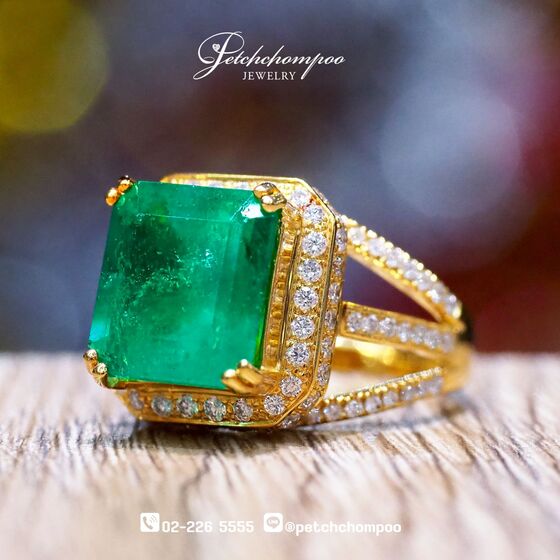
So, are inclusions in emeralds good or bad?
The answer is good—within reason.
A small number of natural inclusions can actually help confirm that the emerald is genuine. However, the inclusions should remain subtle and not overpower the gemstone’s beauty.
The most important rule when choosing an emerald is simple:
Color comes first. Inclusions should never steal the spotlight.
With these tips, beginners can feel more confident when choosing their first emerald gemstone.