Ruby is one of the world’s most highly valued gemstones and is often referred to as the “King of Gemstones.” Its striking red color, exceptional durability, and long history have made it one of the most desirable gemstones of all time.
With a hardness of 9 on the Mohs scale, ruby is one of the hardest natural gemstones, second only to diamond.
Throughout history, rubies have been associated with kings, royalty, and the upper classes. They were frequently featured in royal jewelry and treasured as symbols of wealth and prestige. Over time, ruby became widely recognized as a symbol of power, prosperity, status, and luxury.
Ruby Market Trends in 2026

So, where is the ruby market heading in 2026?
Compared with the strong market activity seen between 2022 and 2025, the ruby market in 2026 may not be experiencing dramatic or rapid growth across every category.
However, there are still several interesting developments in the high-quality ruby segment.
According to data referenced from Gemports, during Q2 2026, prices for natural, unheated rubies weighing 3 carats and above increased by approximately 3–7%.
Although this may not appear to be a major price surge, it represents a meaningful upward movement, particularly within the premium gemstone market.
The overall ruby market in 2026 shows an increasingly clear separation between commercial-grade stones and exceptional-quality gemstones.
While prices for general-quality rubies remain relatively stable, demand for rare, high-quality rubies continues to be strong.
At the same time, prices for some categories of smaller, heat-treated rubies have become more competitive.
This suggests that buyers are becoming increasingly selective and placing greater value on rarity, size, origin, treatment status, and overall gemstone quality.
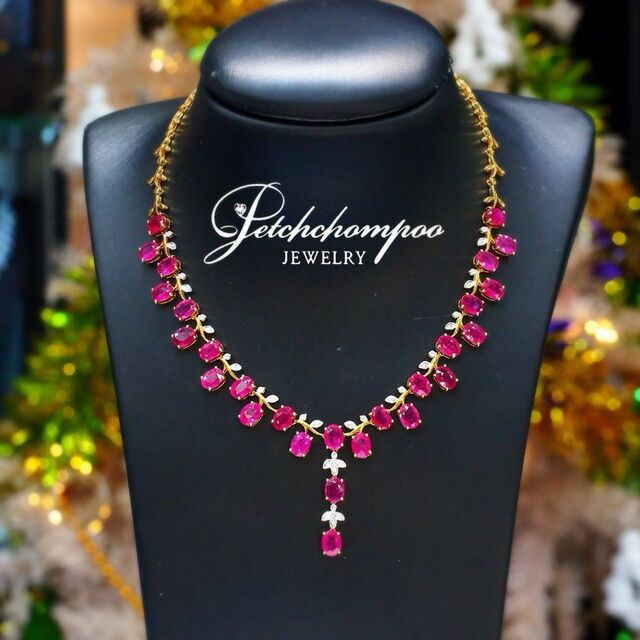
Key Ruby Market Trends to Watch in 2026
- Large, high-quality rubies are separating from the general market. In Q2 2026, natural unheated rubies weighing approximately 3 carats or more reportedly increased in price by around 3–7%, indicating continued demand for premium-quality stones.
- Natural unheated rubies above 3 carats are attracting high-end collectors. This is a specialized luxury market and should not be interpreted as an increase in prices across all ruby categories.
- The luxury market is becoming more selective. The broader luxury industry may not be experiencing the same level of momentum seen during some previous periods. Middle-income consumers are becoming more cautious about discretionary spending, while ultra-high-net-worth buyers continue to focus on rare and exceptional pieces.
What Kind of Ruby Should You Buy for Investment?
1. Choose Natural, Unheated Rubies
If you are buying a ruby with the expectation that it may retain or increase its value over time, consider choosing a natural ruby rather than a lab-grown ruby.
A gemstone certificate should clearly identify the stone as a Natural Ruby.
Whenever possible, collectors often prefer unheated rubies.
Heat treatment is commonly used in the gemstone industry to improve the appearance of rubies, particularly their color and clarity.
However, an unheated ruby that naturally displays attractive color and quality without enhancement is considerably rarer.
For this reason, fine-quality Natural Unheated Rubies are generally more desirable among collectors and buyers in the high-end gemstone market.
Their rarity can make exceptional examples easier to distinguish from more commercially available rubies.
2. Focus on Attractive Ruby Color
Color is one of the most important factors influencing the value of a ruby.
Look for stones with a strong, vivid red color, good saturation, brightness, and attractive light performance.
One of the most famous examples is the Burmese ruby, especially rubies displaying the highly desirable color commonly known as Pigeon’s Blood Red.
This color is typically described as a vivid, intense red that may contain a subtle pinkish tone. Fine rubies can also exhibit strong fluorescence, which can make the stone appear brighter and more lively under certain lighting conditions.
Pigeon’s Blood rubies are considered exceptionally rare and are often associated with the highest levels of the ruby market.
3. Buy Rubies with Certificates from Reputable Gemological Laboratories
A reliable gemstone certificate is extremely important when purchasing a valuable ruby.
Consider rubies that have been examined by internationally recognized gemological laboratories such as the GIA (Gemological Institute of America).
A laboratory report can help verify important information, including whether the gemstone is:
Natural or synthetic, treated or untreated, and in some cases, its geographic origin.
However, having a certificate does not automatically mean that a ruby is high quality.
The gemstone itself must still be evaluated based on factors such as color, clarity, cut, carat weight, treatment status, origin, and overall appearance.
A laboratory report should therefore be considered an important authentication document rather than a guarantee of investment performance or gemstone quality.
Current Ruby Prices in 2026
Ruby prices can vary enormously, and unlike commodities such as gold, there is no single standard market price for ruby.
The value depends heavily on the individual gemstone’s quality.
Factors such as color, size, clarity, treatment, origin, rarity, and certification can significantly influence the final price.
For example, a high-quality Natural Unheated Ruby weighing around 1 carat may be priced approximately between USD 15,000 and USD 100,000+ per carat, depending on its overall quality and rarity.
Exceptional rubies can command significantly higher prices.
If you are buying rubies primarily for collecting or potential long-term appreciation, focus on exceptional quality, attractive color, rarity, and preferably unheated stones with reliable laboratory documentation.
However, if you simply want a beautiful ruby for jewelry and everyday wear, there is no need to insist on investment-grade specifications.
Choosing a heat-treated ruby, a smaller stone, or a ruby with slightly lower clarity can significantly reduce the price while still providing an attractive gemstone that suits your budget.